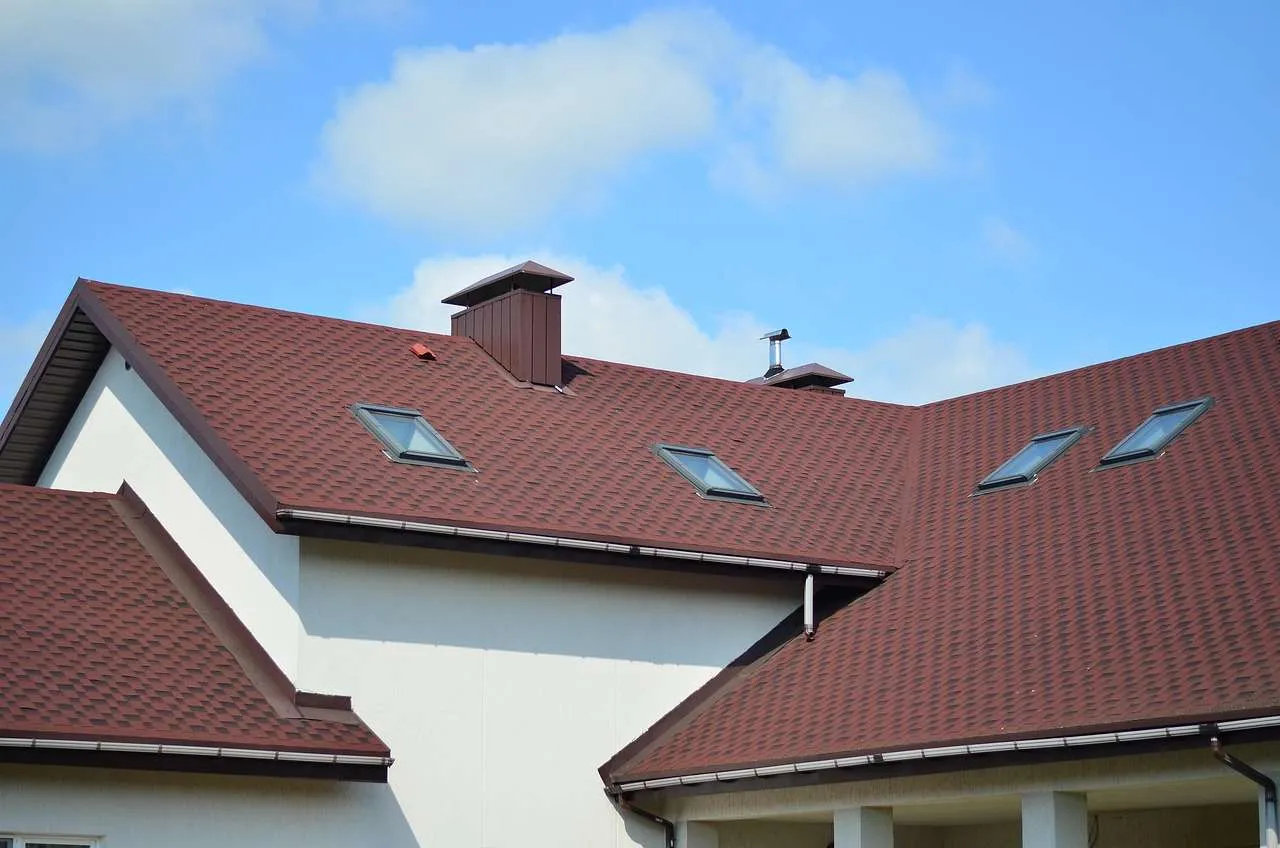
TPO Roofing: Durable Energy-Smart Membranes

Thermoplastic Polyolefin (TPO) roofing is a popular single-ply membrane used on flat and low-slope roofs. Known for its reflective surface and energy efficiency, TPO is often chosen for commercial buildings and increasingly for select residential projects. This guide covers what TPO roofing is, its benefits and limitations, installation considerations, cost, and how to choose a trustworthy installer to meet EEAT standards.
What is TPO Roofing?
TPO stands for Thermoplastic Olefin. It is a single-ply membrane composed of a blend of rubber-like materials with a thermoplastic top surface. The seams are heat-welded, which creates a uniform, watertight barrier. TPO is typically installed on flat or low-slope roofs and comes in white or light colors that reflect sunlight, helping reduce cooling loads in warm climates.
Key characteristics
- Reflective, light-colored surface improves energy efficiency
- Heat-welded seams for strong weather resistance
- Lightweight and flexible, suitable for various substrates
- Good resistance to algae, UV exposure, and many chemicals
- Available in different thicknesses and formulations from reputable manufacturers
Benefits of TPO Roofing
- Energy efficiency through high reflectivity reduces cooling costs in hot climates
- Durability and weather resistance when professionally installed
- Lower environmental impact due to reduced energy use and recyclability of some membranes
- Cost-effective compared with some PVC options, with faster installation for large commercial roofs
- Repairable and adaptable, with simpler field modifications and patches
Drawbacks and Considerations
- Quality variations across manufacturers can affect long-term performance
- Ultraviolet exposure and heat aging can degrade older formulations, making warranty choice important
- Not all TPO products perform equally in extreme cold or high-traffic roof settings
- Warranty terms vary widely; verify installer qualifications and manufacturer-backed warranties
Installation and Maintenance
Proper installation by a trained contractor is critical to TPO performance. This includes substrate preparation, correct fastening, and precise heat-welding of all seams. A quality installation yields a watertight roof with predictable service life. Maintenance is straightforward: inspect seams after severe weather, clean debris from drains, and address any punctures or wear promptly. Regular inspections help catch issues before they escalate and preserve warranty eligibility.
Cost and Lifespan
Expect a typical price range per square foot that reflects material quality, geographic location, and roof complexity. On average, TPO membranes cost less per square foot than PVC and can be similar to or slightly more than EPDM in some markets. Lifespan varies by product and installation quality, with many reputable TPO systems rated for 15 to 25 years or longer with maintenance and proper care. Extreme climates, roof slope, and foot traffic can shorten or extend expected life.
TPO vs Other Membranes
| Membrane | Avg Lifespan | Energy Efficiency | Durability | Maintenance | Cost |
|---|---|---|---|---|---|
| TPO | 15-25 years | High reflectivity | Good to very good | Low to moderate | Moderate |
| EPDM | 20-30+ years | Moderate reflectivity | Good | Low | Low to moderate |
| PVC | 20-30+ years | Excellent reflectivity | Excellent | Moderate | Higher |
Choosing a Reputable Installer
EEAT-friendly guidance focuses on expertise, authority, and trust. Look for licensed contractors with documented experience installing single-ply membranes, manufacturers' certified installers, and strong references. Request proof of warranties both from the installer and the membrane manufacturer, check local building codes, and verify the contractor's safety record and past project performance. A thorough written proposal should detail substrate prep, membrane type, seam-welding method, flashings, drainage, and project schedule.
Transparency about qualifications, project timelines, and after-sales support helps ensure you’re working with a team that adheres to industry best practices and local codes. Ask for case studies or photos of similar roofs, and contact references to confirm performance over time. A credible installer will also provide documentation on warranty transferability and what maintenance practices support long-term performance.
Conclusion
Conclusion, TPO roofing offers durability and energy efficiency when installed correctly by qualified professionals. By selecting a reputable membrane, aligning with manufacturer warranties, and committing to regular maintenance, you can achieve a long-lasting, cost-effective roof for flat or low-slope structures.